Productivity guides for flexible deep work
Learn the Flowtime Technique, compare focus methods, and build a healthier rhythm for creative, technical, and remote work.

How to Use Flowtime: A Practical Guide to Timer Settings
Flowtime is not just a timer that counts down from a fixed number. It is a focus system built around how you actually work: choose a task, start a focus session, keep going while you are in flow, and ...
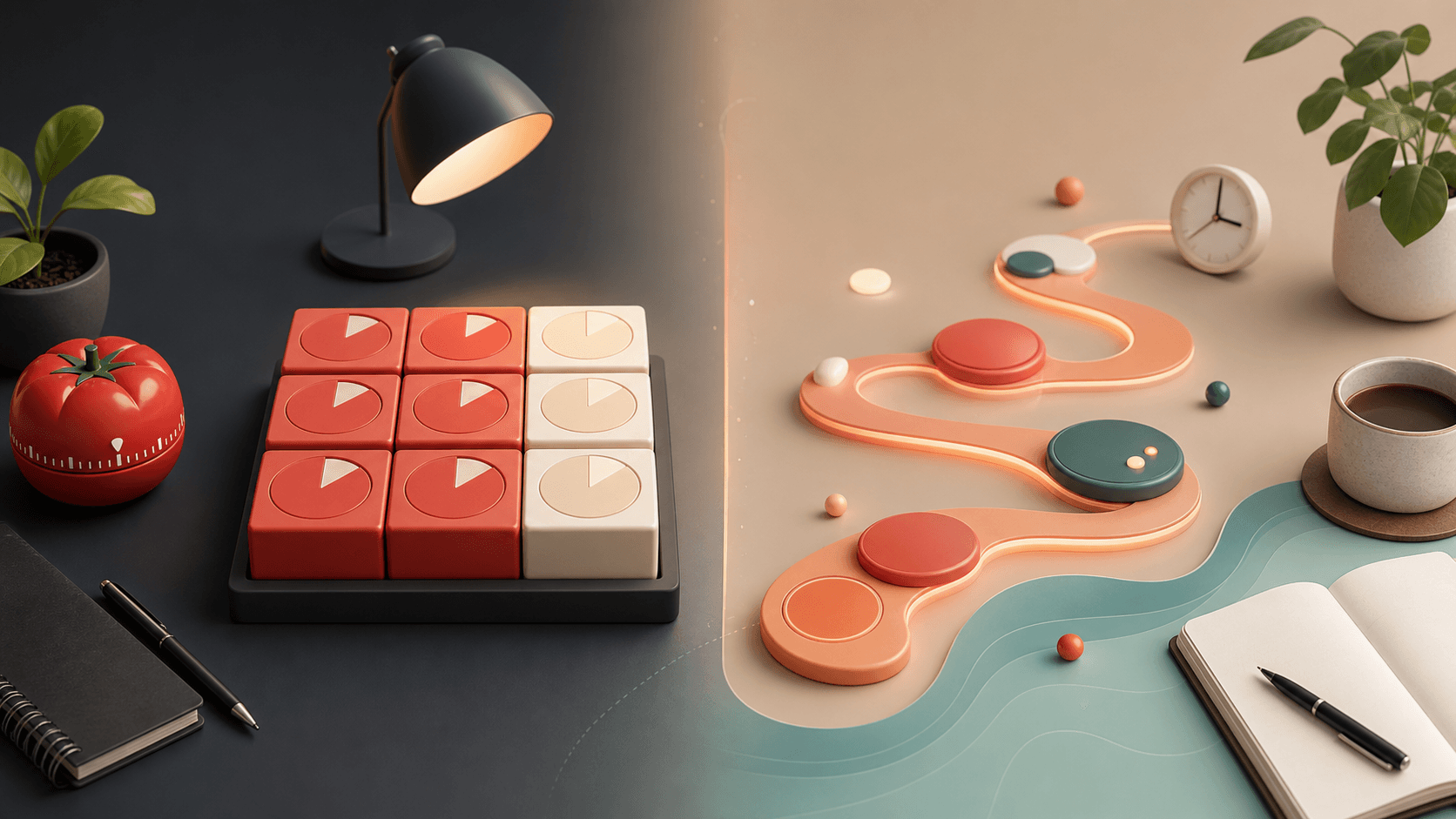
Flowtime vs. Pomodoro: Which Productivity Method Is Right for You?
The Pomodoro Technique has been the gold standard of productivity timers for decades. But as work has shifted toward more creative and complex tasks, a new challenger has emerged: the Flowtime Techniq...
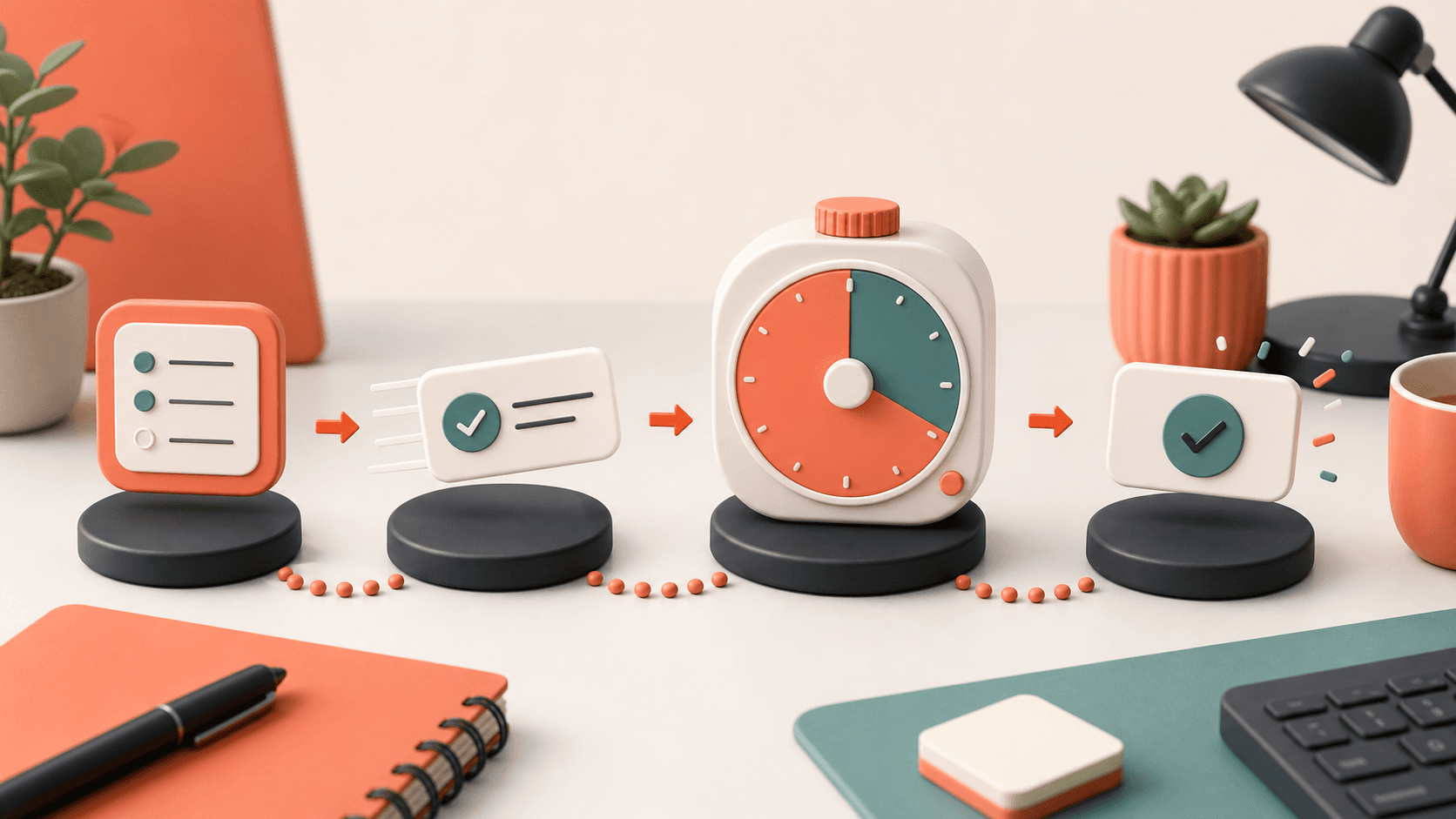
How to Use the Flowtime Timer: A Step-by-Step Tutorial
Ready to start your first Flowtime session? This tutorial shows you how to use Flowtime as an actual timer system: choosing a task, setting useful targets, working without forced interruptions, taking...

Why Rigid Timers Kill Creativity: The Case for Adaptive Focus
You finally settle into the work. The paragraph starts to move. The design problem becomes clearer. The bug begins to make sense. Then the timer rings because an arbitrary interval ended....
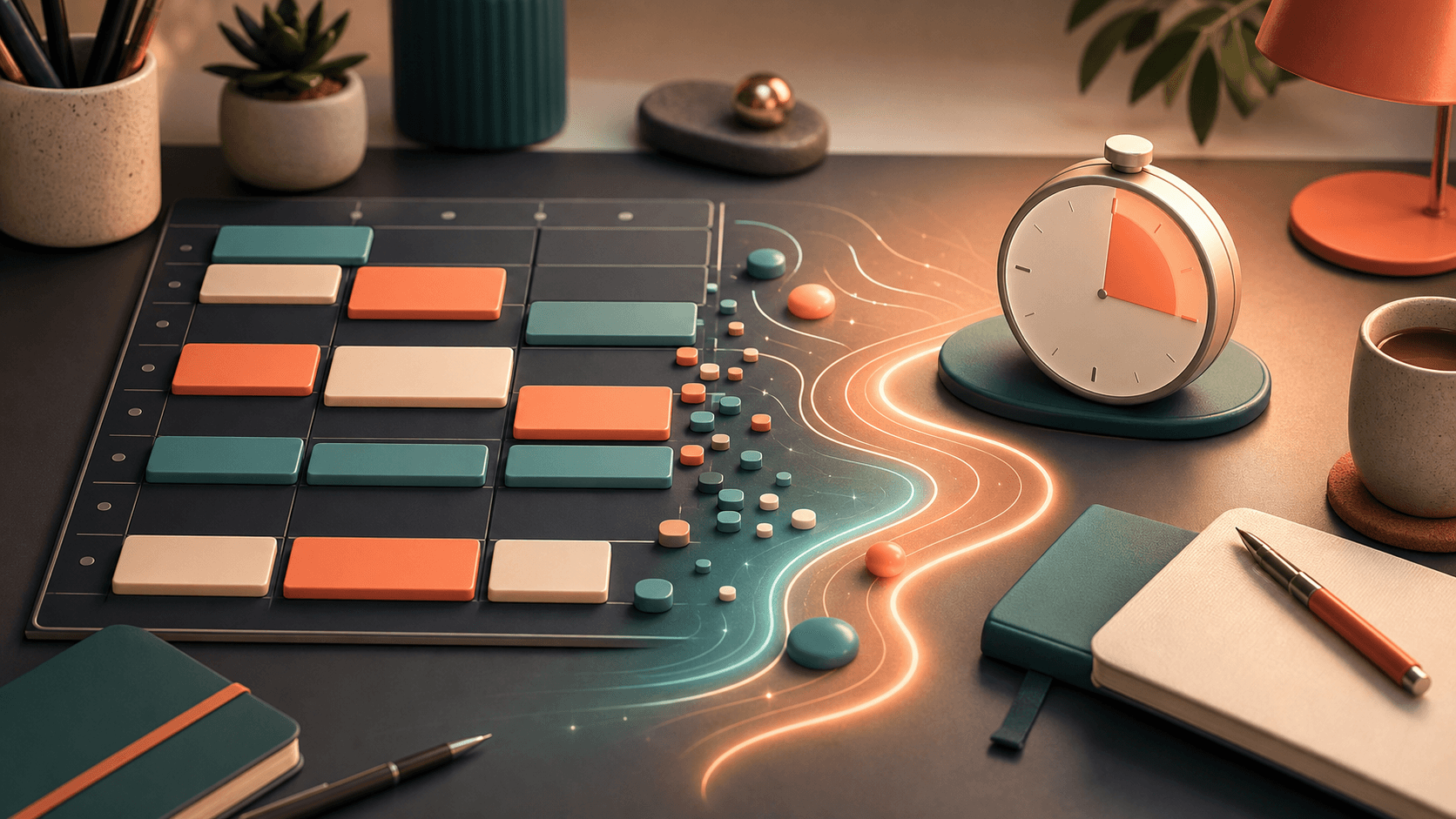
Flowtime vs. Time Blocking: Can You Use Both?
Time Blocking and Flowtime are two of the most popular productivity methods today. But they solve different problems. Time Blocking answers "When should I work?" Flowtime answers "How should I work wi...
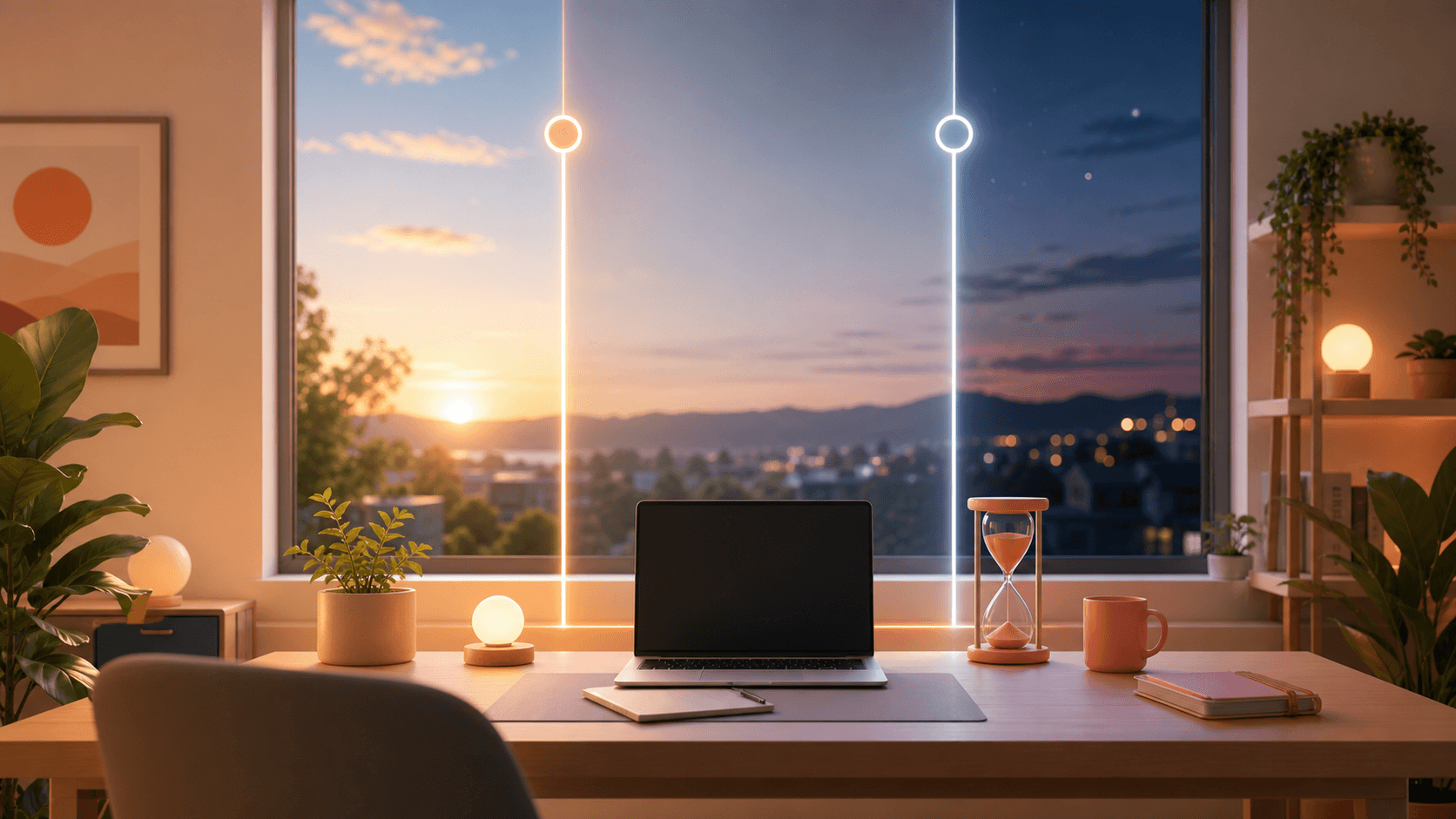
Setting Up Your Focus Time Window for Better Work-Life Balance
One of the most underrated features in Flowtime is the Focus Time Window. It's not flashy, but it might be the most important setting for your long-term productivity and mental health. Here's why....
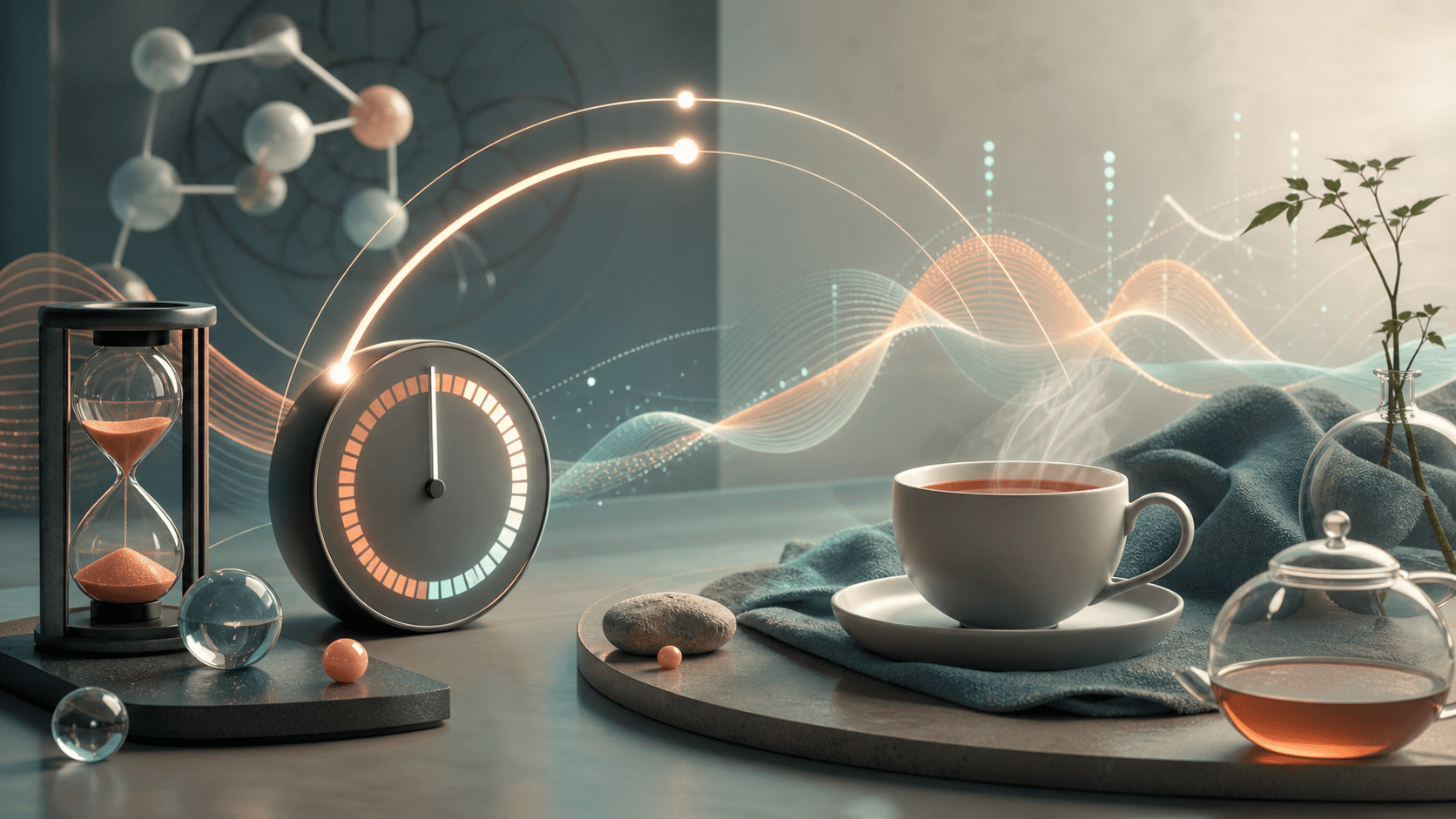
The Science of Breaks: How Flowtime Calculates Optimal Rest
We all know breaks are important. The harder question is how long they should be. A five-minute pause can be enough after a short admin task, but it is usually not enough after a long stretch of deep ...
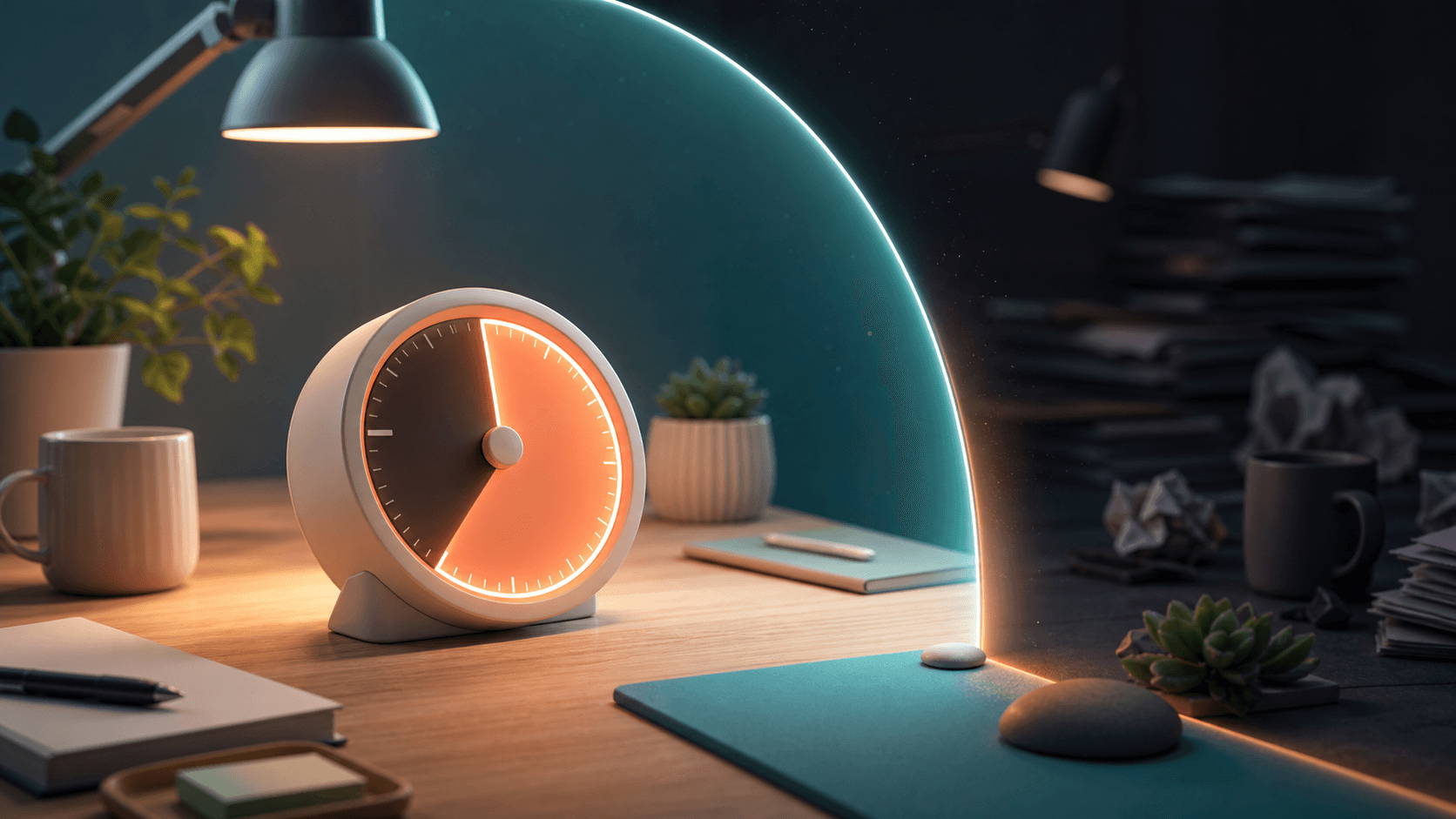
Max Timer Limits: Preventing Burnout Without Losing Flow
Flowtime is built on flexibility, but flexibility still needs boundaries. That is why Max Timer Limits exist: they let you stay in flow without accidentally turning every good session into a marathon....
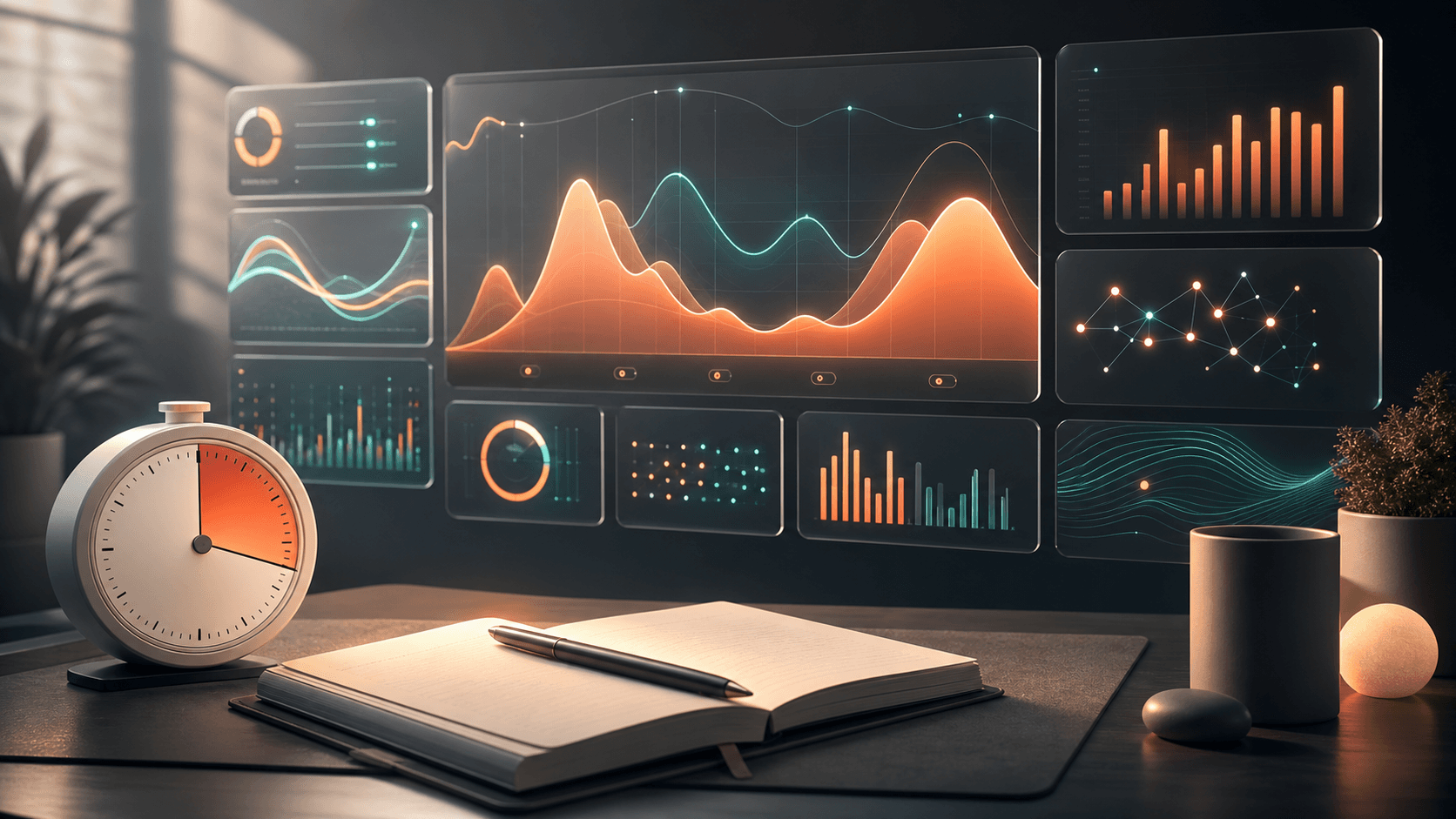
Flowtime Analytics: How to Read Your Productivity Data
Data is only useful if you know how to read it. Flowtime's analytics dashboard turns your focus sessions into actionable insights — but only if you understand what each metric means. Here's your compl...
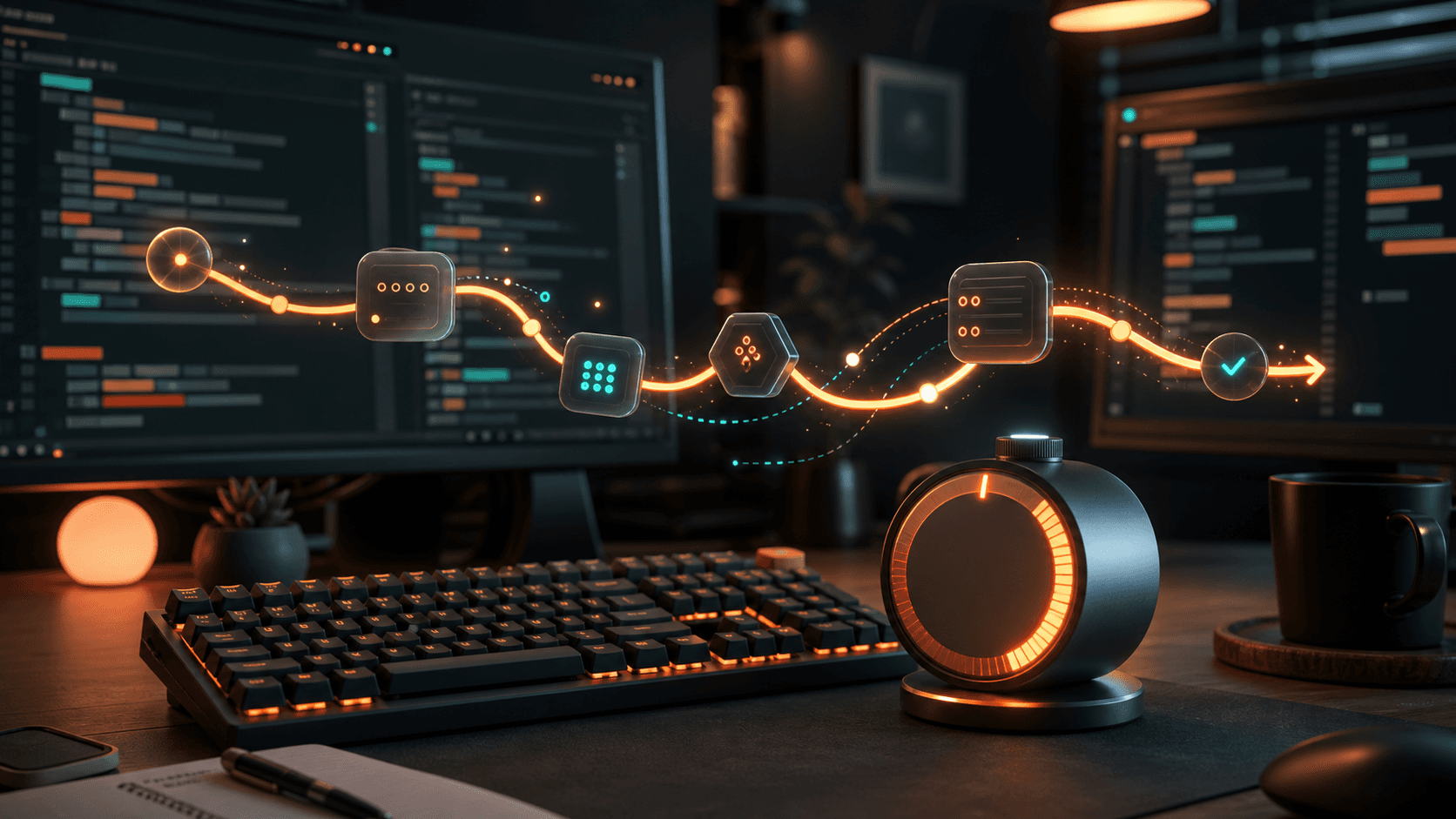
Flowtime for Developers: Why Coders Love Adaptive Timers
Software development is a poor fit for rigid timers. Some coding tasks need a short push. Others need a long, uninterrupted path through context, logs, tests, and hypotheses. Here is why adaptive time...

Flowtime for Writers and Content Creators
Writing is rarely one uniform task. Research, drafting, editing, and publishing each ask for a different kind of attention. Flowtime works well for writers because the timer can adapt to the phase you...
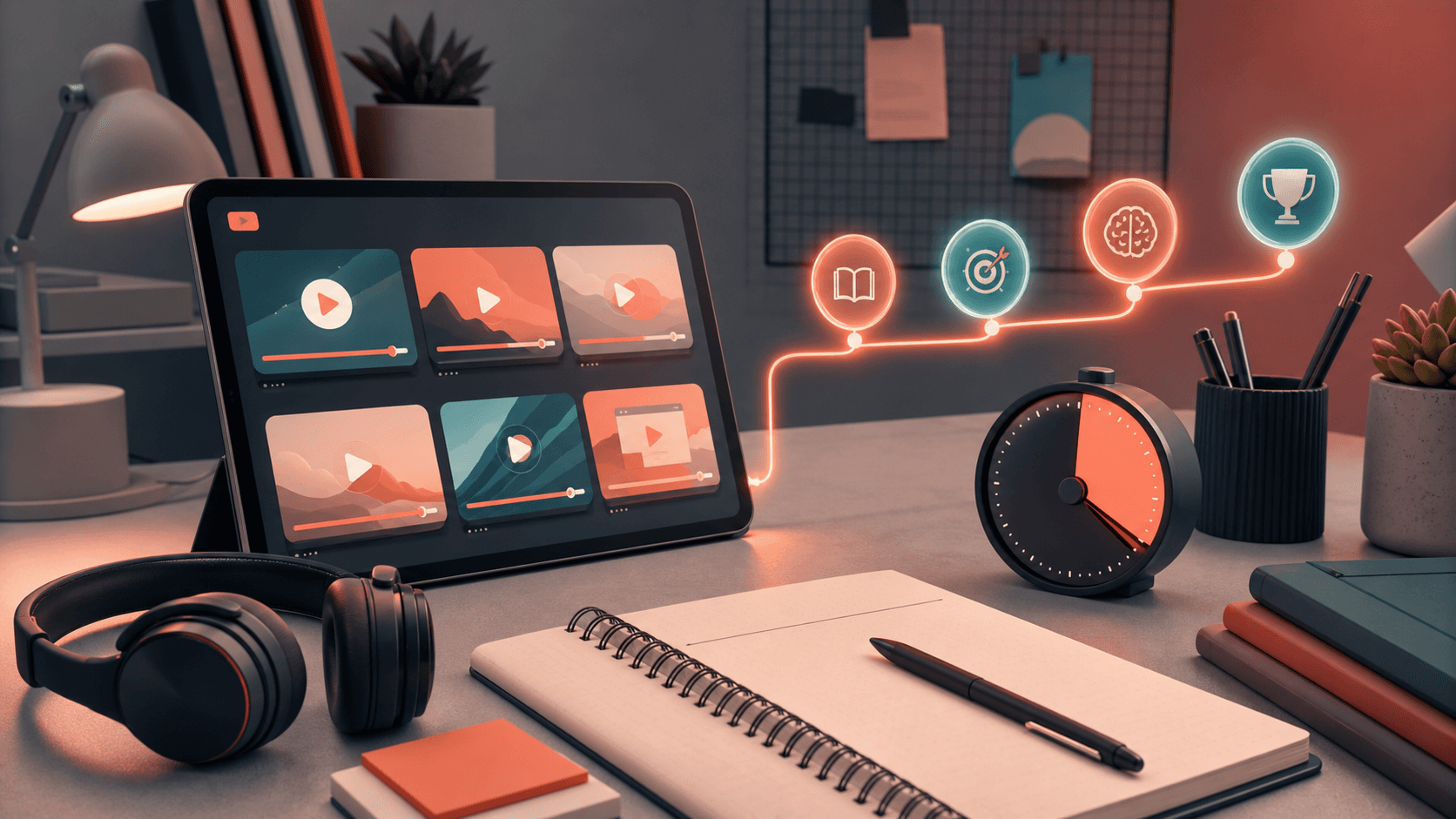
YouTube Learning + Flowtime: The Ultimate Study Setup
YouTube is one of the best places to learn practical skills, but video learning has a tracking problem. It is easy to start a tutorial, pause halfway through, lose your place, and forget what you were...
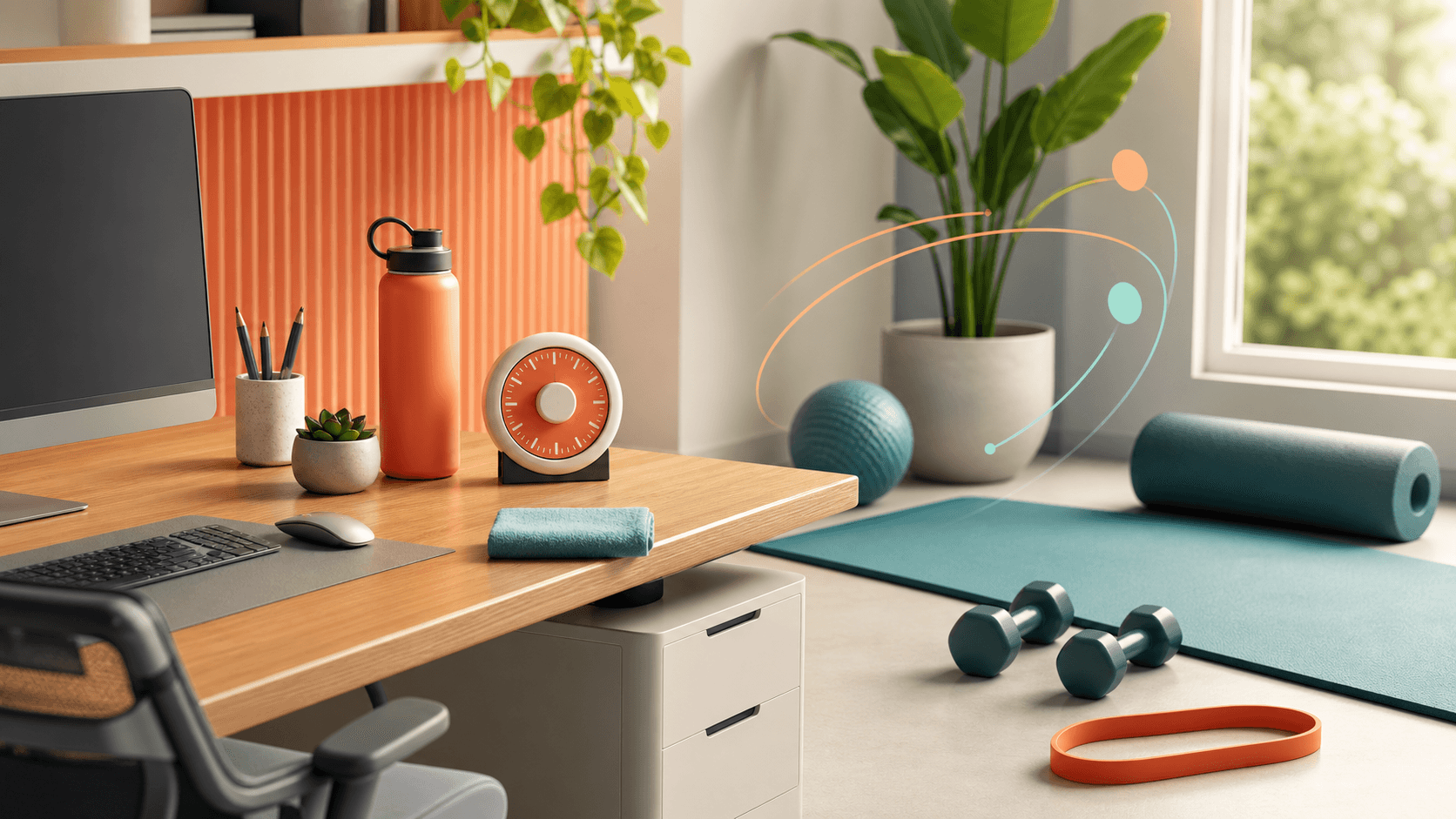
Break Exercises: Staying Healthy During Deep Work Sessions
Sitting for hours is not just uncomfortable. It can leave you stiff, tired, and mentally flat by the end of the day. When you're in deep work, it is easy to forget to move. Flowtime's break exercises ...
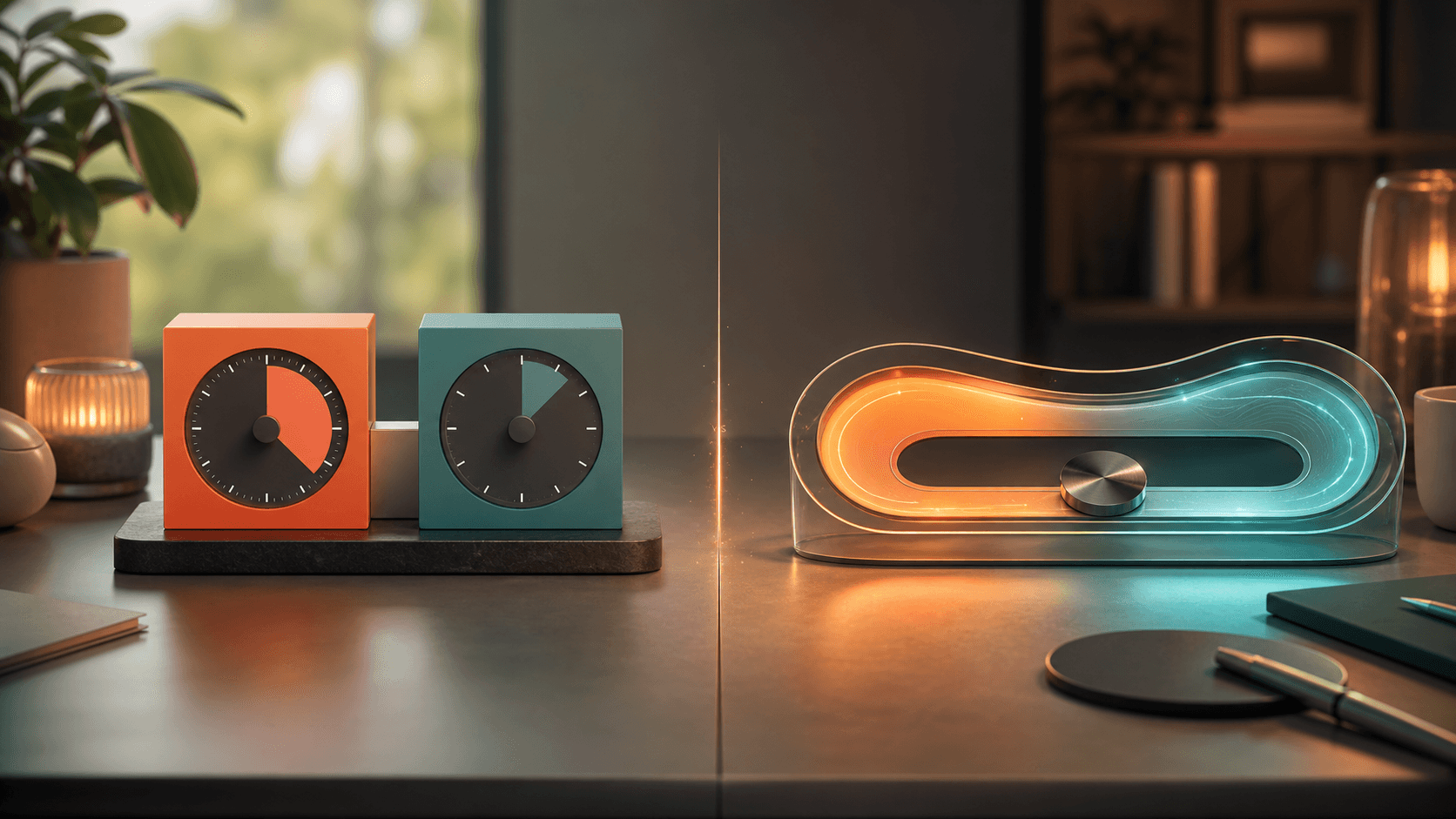
Flowtime vs. The 52/17 Rule: Battle of the Adaptive Methods
The 52/17 Rule is often presented as a smarter alternative to Pomodoro: longer work blocks, longer breaks, fewer interruptions. But how does it compare to Flowtime? Both methods move beyond 25-minute ...
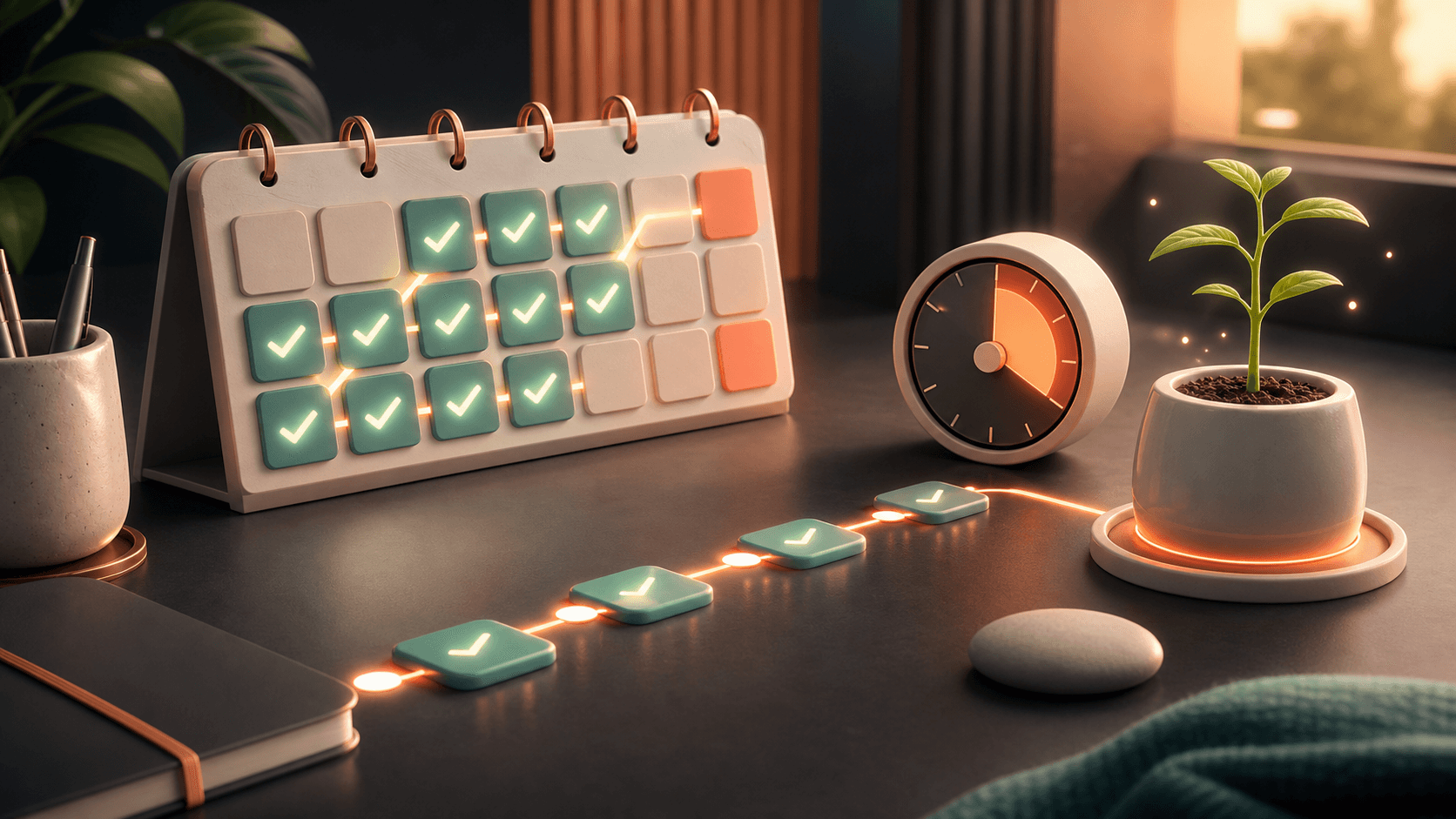
Building a Focus Streak: How to Stay Consistent with Flowtime
Consistency beats intensity. A person who focuses for 60 minutes every day will usually build more reliable momentum than someone who binges for 6 hours once a week. Flowtime's streak tracking helps y...
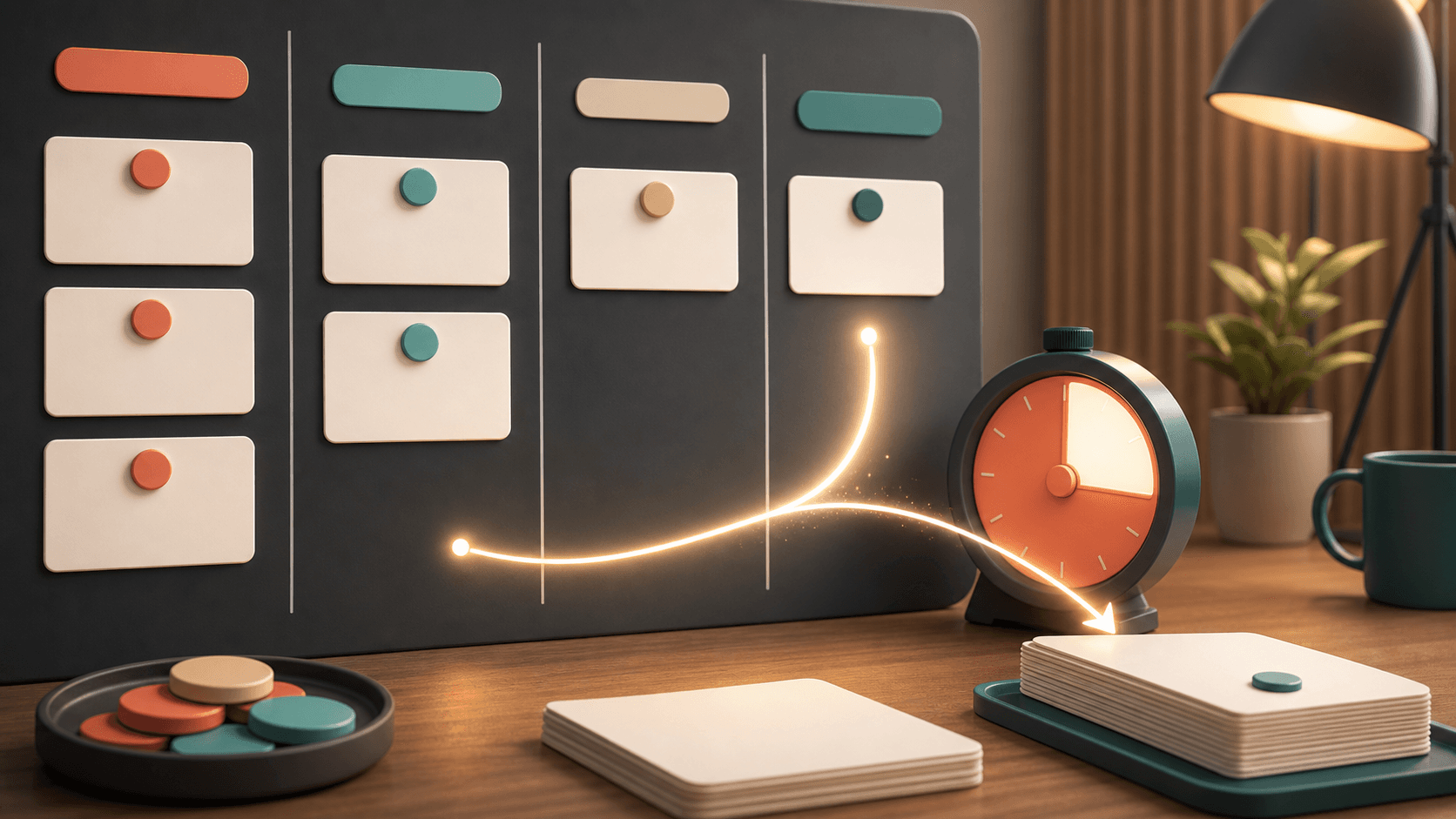
Task Management in Flowtime: Estimating and Tracking Focus Time
Time estimation is a skill most people never practice deliberately. We often underestimate how long work takes because we remember the clean version of the task, not the interruptions, setup, context ...
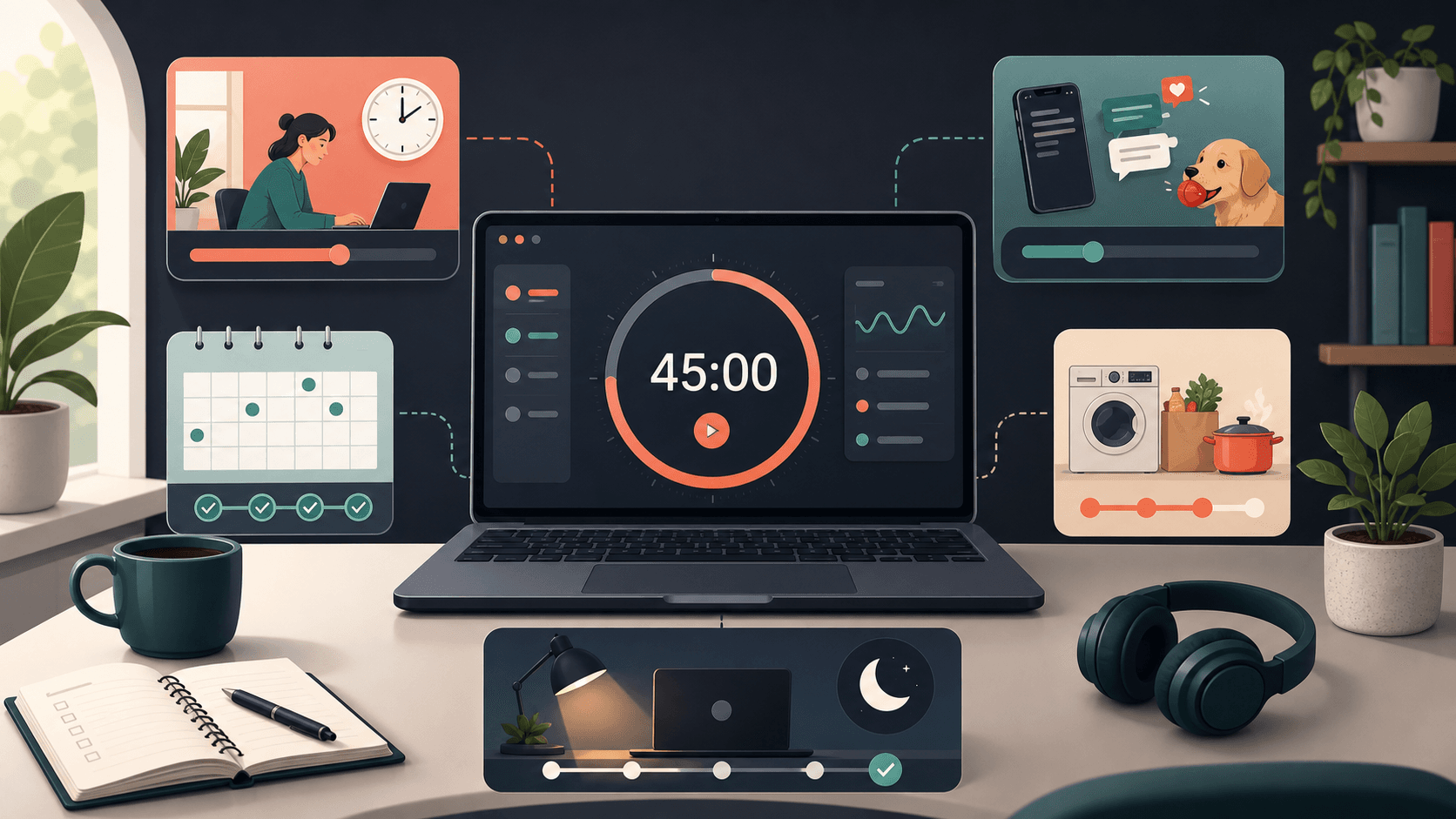
Flowtime for Remote Workers: Managing Focus in a Distracted Home
Remote work has benefits: no commute, flexible hours, comfortable clothes. But it also has a hidden cost: distractions. Your home is full of them — kids, pets, laundry, the couch, the fridge. Flowtime...
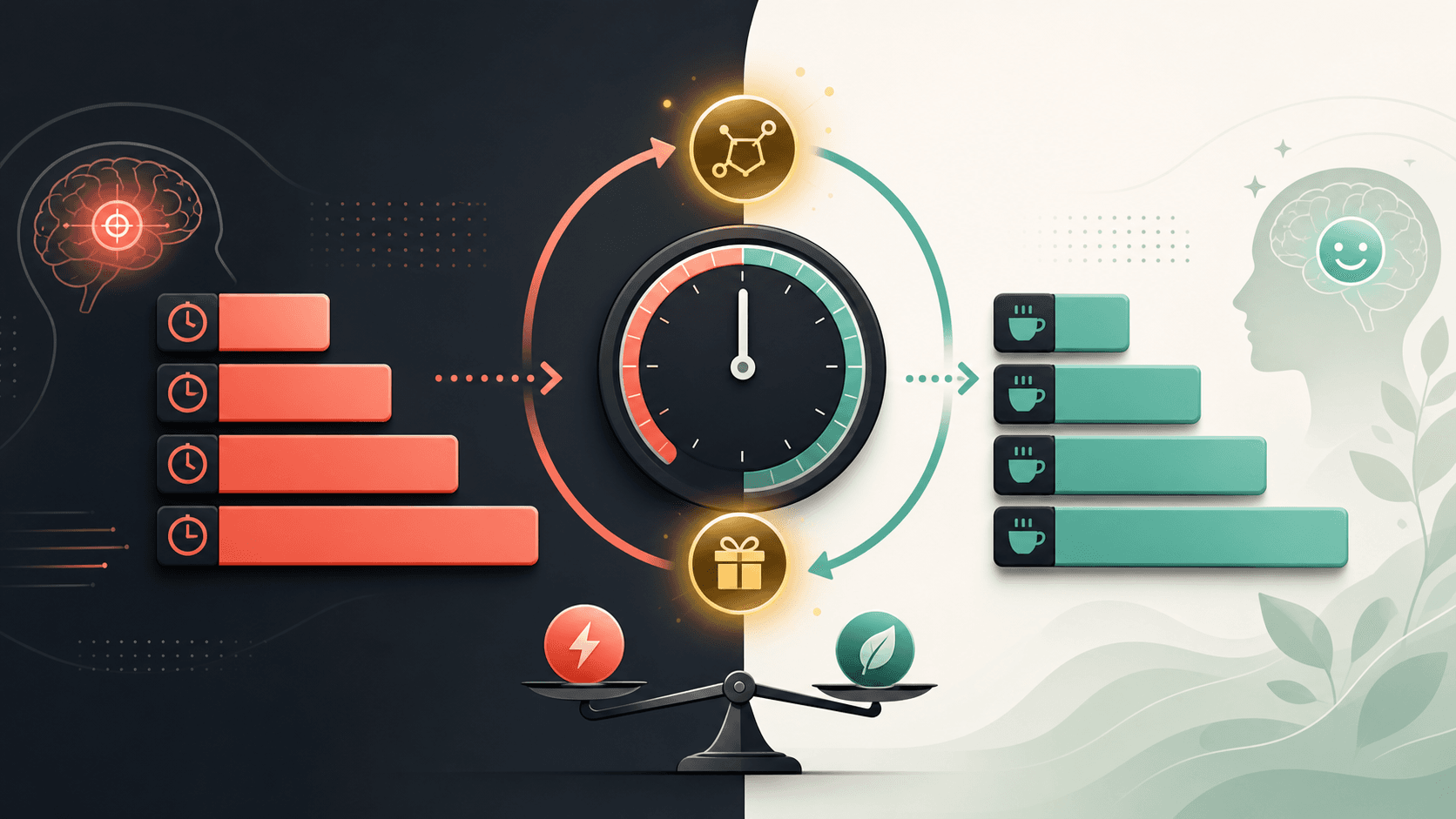
The Psychology of Proportional Breaks: Why Flowtime 'Feels' Better
Have you ever noticed that a break you earned feels infinitely better than a break you were forced to take? There's real psychology behind that feeling — and it's one of the reasons Flowtime users rep...
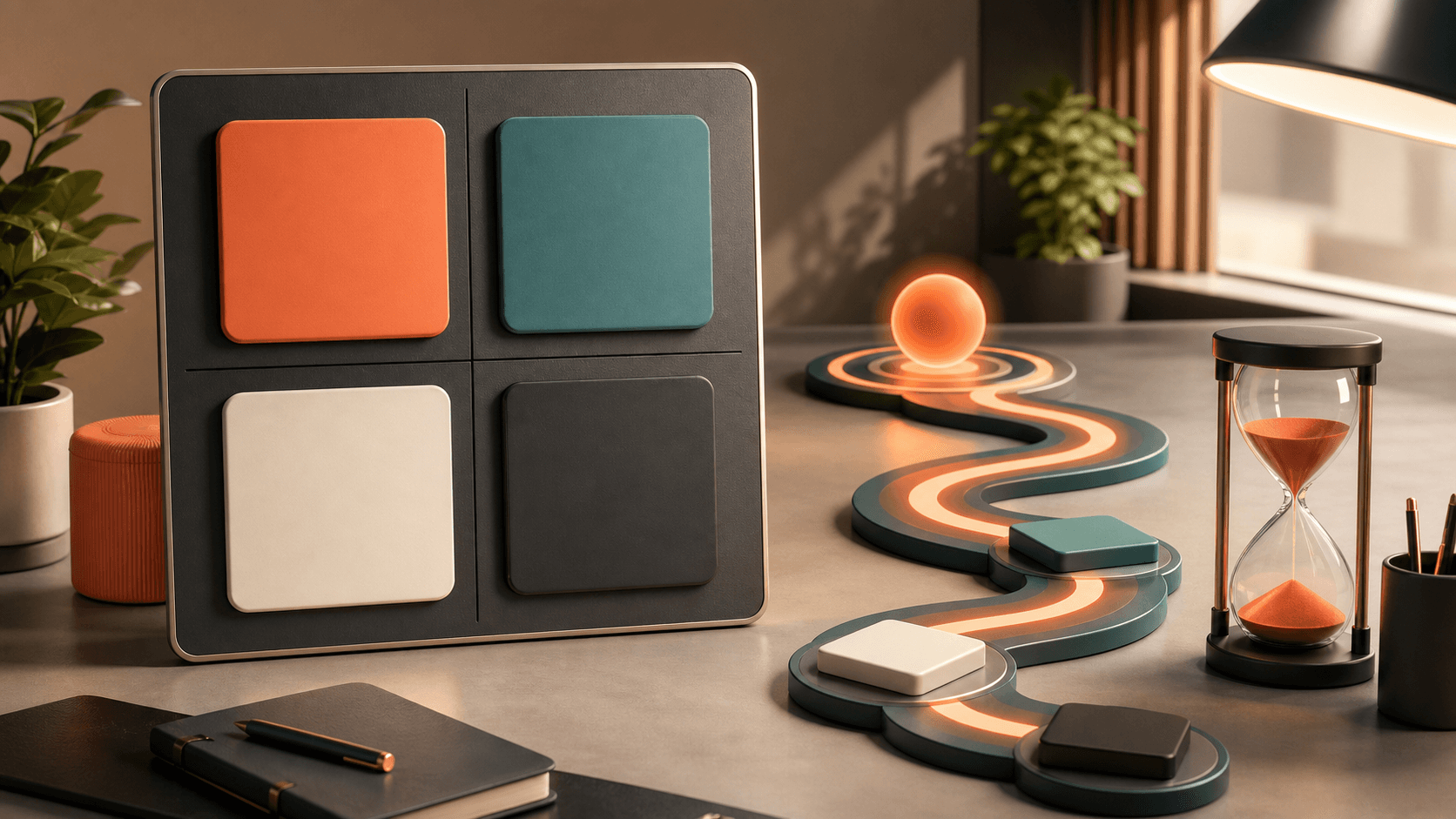
Flowtime vs. The Eisenhower Matrix: Focus vs. Prioritization
Productivity has two layers: knowing what to do, and knowing how to do it efficiently. The Eisenhower Matrix handles the first. Flowtime handles the second. Together, they form a complete productivity...
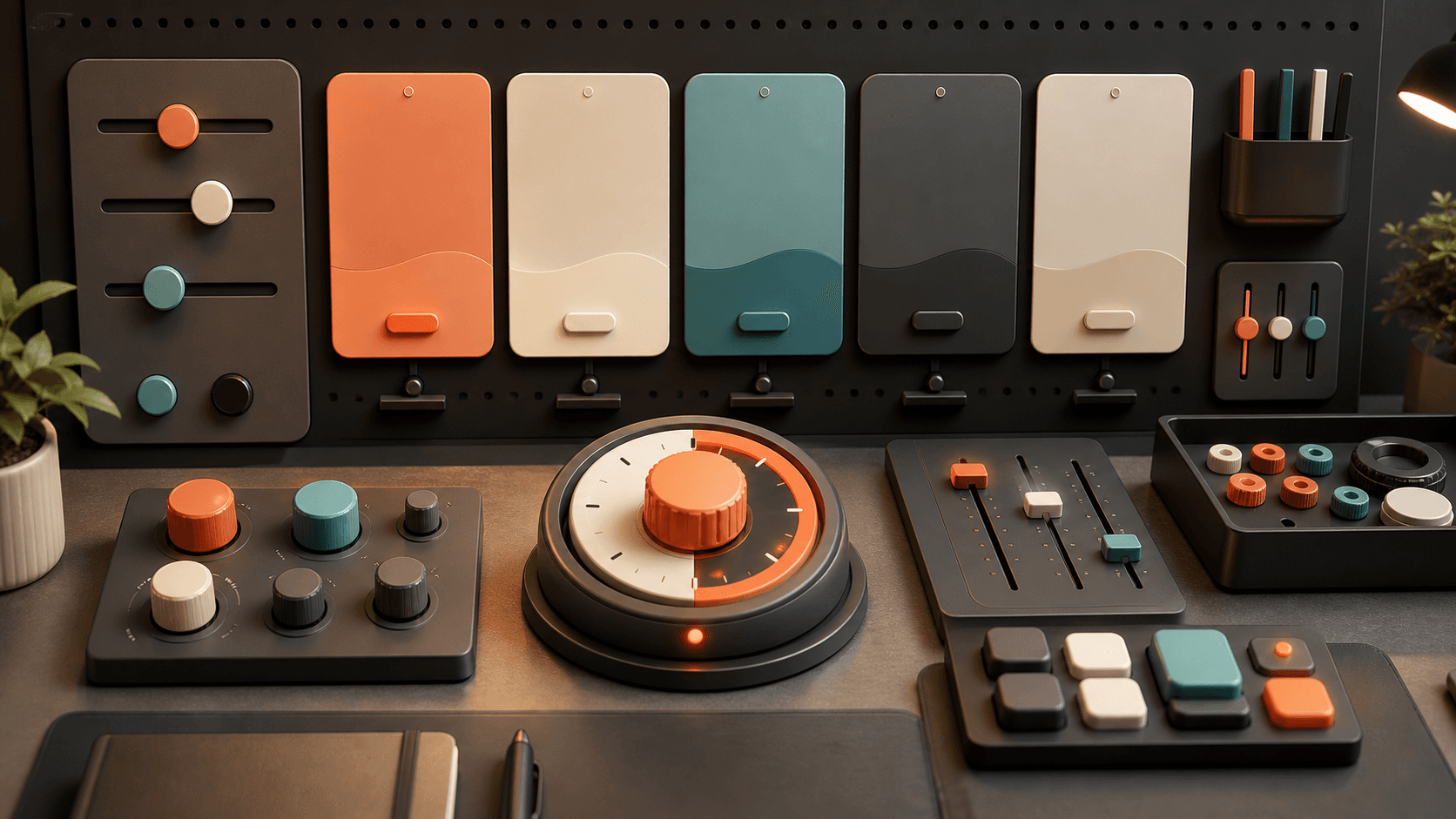
Advanced Flowtime Settings: Customizing Your Perfect Workflow
You've been using Flowtime for a while. You know the basics. Now it's time to unlock the full power of the app with advanced settings. This guide covers every configuration option and how to use it....